one platform, three audiences: making a choice nobody wanted to make
When a product tries to work for everyone equally, it usually works well for nobody. The challenge is convincing stakeholders to accept that.
the situation
A single website section had to serve three distinct user groups, ranging from complete newcomers to experienced experts. On paper, the brief was a design challenge. In practice it was a political one.
Every attempt to prioritise one group's experience meant deprioritising another's. And every stakeholder in the room represented a different group. So instead of making a call, the product kept trying to split the difference. The result: an experience that didn't really work for anyone.
Users couldn't reliably find what they needed. The business couldn't drive the actions that mattered. And the team kept going back to the same conversation without a way to move forward.
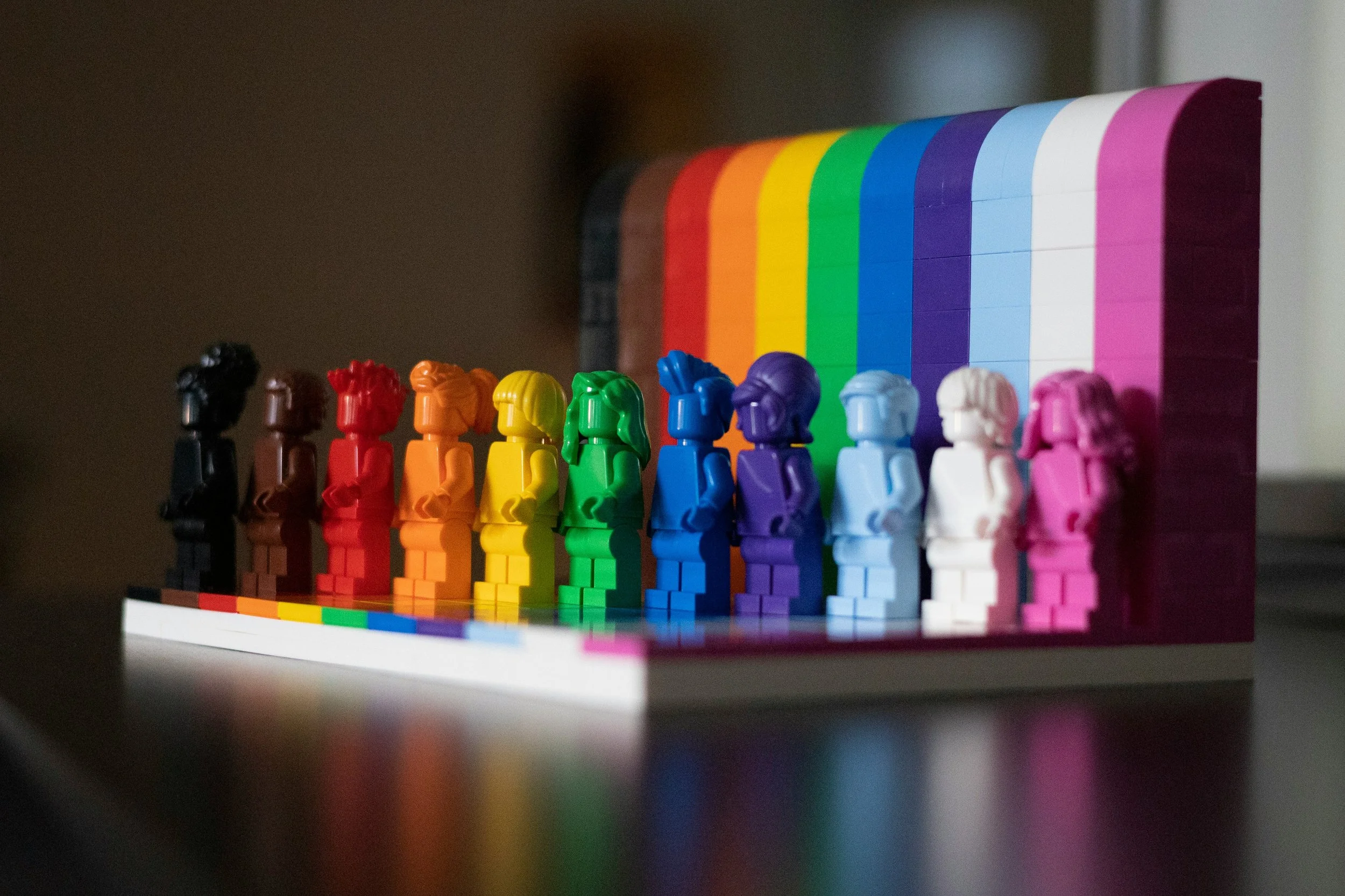
Photo by James A. Molnar on Unsplash
what I was brought in to do
Over eight months I led discovery, research and design strategy to find a way through. The goal wasn’t to do this by picking a winner between the three groups, but by finding the underlying logic that could serve all of them without treating them identically.
how we got there
I started with research across all three user groups and multiple countries. What we found re-framed the problem. All three groups eventually needed the same thing: expert information (or access to an expert) before making a decision. What differed was how long it took them to get there and how much guidance they needed along the way.
That insight gave us a way forward that stakeholders could accept: not "we're prioritising group 1 over group 3" but "we're designing for a journey and we’re going to meet each group where they are along it."
From there I developed a modular design approach that scaled depth based on user behaviour, letting experts move fast and newcomers stay guided, without splitting the platform into separate experiences.
what changed
Bounce rates dropped significantly. Product selection and engagement both increased. But the more durable outcome was internal: the team had a framework for making decisions about the platform that didn't require a stakeholder negotiation every time.

the broader point
The hardest product problems are rarely purely user experience problems.
They're organisational ones with the real obstacle being the struggle around internal agreement on a direction. Not figuring out what users need. Research doesn't just inform design in those situations. It gives people a way to make a call they couldn't make before.